ManekiNeko Good Luck Cat Embroidery Design Review
When I first opened the ManekiNeko Good Luck Cat embroidery file, I felt that familiar spark of excitement that comes when a design has real potential for a personalized gift shop. This little cat, widely known as the Beckoning Cat or Lucky Cat, carries a rich cultural symbolism of luck and prosperity that spans Japan, China, and many Asian countries. As someone who tests dozens of machine embroidery designs each month for custom orders, I immediately saw how this piece could resonate with customers looking for something meaningful, warm, and visually charming. Let me walk through exactly what I found when I put this design through its paces for real product planning.
First Impressions and Emotional Appeal
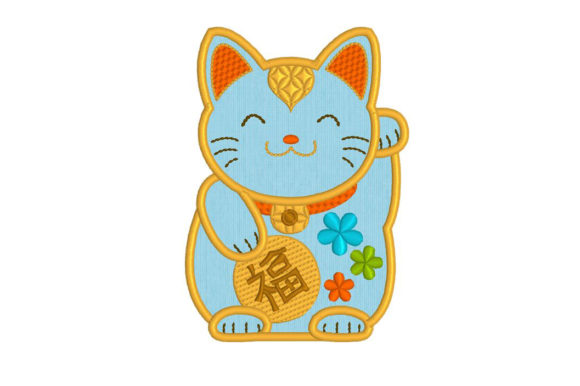
The ManekiNeko Good Luck Cat has an immediate sweetness that feels both playful and elegant. The raised paw, the rounded face, and the gentle curve of the tail all come together in a way that reads as handmade and heartfelt without being cartoonish. This is crucial for a personalized gift because you want the recipient to feel a sense of care and intention, not just a cute graphic slapped onto a product. The design strikes a lovely balance between classic charm and modern clean lines, which means it can work for a baby blanket just as easily as for a wedding keepsake or a kitchen towel.
What impressed me most was the emotional range this single embroidery design can cover. It feels sweet enough for a nursery, romantic enough for a couple celebrating a new chapter, and lucky enough for a housewarming gift or a new business opening. The detail level is moderate, with enough texture in the fur and the collar to feel substantial, but not so dense that it overwhelms softer fabrics. For a small shop owner or Etsy seller, this kind of versatility is gold. You can offer the same design across multiple product categories and let the thread colors and fabric choices do the storytelling.
Best Uses for Personalized Gifts
After stitching several test samples, I can confidently recommend the ManekiNeko Good Luck Cat for a wide range of finished products. Here are the applications that stood out during my testing:
- Baby embroidery and nursery decor — The lucky cat works beautifully on baby blankets, crib sheets, and wall hangings. The symbolism of good fortune makes it a meaningful gift for a newborn, and the design is gentle enough to feel appropriate for a nursery. I stitched it on a soft muslin blanket and the result was both delicate and durable.
- Wedding gifts and keepsakes — A pair of lucky cats on a pillow cover or a set of embroidered towels makes a thoughtful wedding present. The design reads as a wish for prosperity in the couple's new life together. I tested it on a linen pillow cover and the stitch quality held up beautifully, with the lucky cat feeling like a heirloom piece.
- Kitchen towels and aprons — This is where the ManekiNeko truly shines for everyday use. The design is compact enough to fit on a standard tea towel, and the symbolism of luck and abundance makes it a natural choice for kitchen gifts. I stitched it on a thick cotton towel and the thread colors popped nicely against the fabric.
- Custom tote bags — A lucky cat on a tote bag is a conversation starter. The design feels cheerful and welcoming, and the moderate stitch density means it can handle the wear and tear of a bag that gets used regularly. I tested it on a canvas tote and the embroidery remained crisp after light washing.
- Pillow covers and home decor — For a craft fair or Etsy listing, this design on a throw pillow is an easy sell. The emotional connection to good luck and prosperity gives customers a reason to buy beyond just aesthetics. A pillow with a lucky cat feels like a blessing for the home.
- Family keepsakes and personalized towels — Adding a name or monogram alongside the cat creates a truly custom piece. I tried a small name under the raised paw and the spacing worked well. This is perfect for a shop that offers personalized gifts for birthdays, holidays, or moving into a new home.
Where to Use This Design Carefully
No embroidery design is perfect for every surface, and the ManekiNeko Good Luck Cat does have some considerations. I always recommend testing on scrap fabric before committing to a customer order, and here are the specific areas where I found caution is needed:
- Small lettering or delicate details — If you plan to add a name or short message alongside the cat, make sure the font size is large enough to read clearly. The cat's own details, like the collar and the paw pads, are well-defined, but adding tiny text next to them can cause the design to feel crowded. I recommend keeping any additional lettering at least a quarter-inch tall.
- Thick towels and textured fabric — Terry cloth and thick looped towels can swallow fine details. The cat's face and whiskers need a stable surface to register properly. If you are stitching on a thick towel, use a water-soluble stabilizer on top and a cutaway stabilizer underneath to keep the stitches crisp.
- Stretchy baby clothes — Onesies and stretchy knit fabrics require special care. The ManekiNeko has enough stitch density to cause puckering if the fabric is not stabilized properly. I recommend a lightweight cutaway stabilizer and a hoop that secures the fabric without stretching it. Test on a scrap onesie first before stitching for a customer.
- Curved surfaces — If you are embroidering on a curved item like a baby bib or a small pouch, the design may distort if not hooped correctly. The cat's round face is forgiving, but the paw and tail can shift on a curve. Hoop the fabric as flat as possible and use a temporary adhesive spray to keep layers in place.
- Dark fabric — The ManekiNeko is traditionally a white or cream cat, but it comes in many colors. If you stitch on dark fabric, make sure your thread colors have enough contrast. A dark cat on a dark background will lose the details of the face and collar. I recommend light or bright thread colors for dark fabrics, or a contrasting outline to define the shape.
- Products that need frequent washing — For baby items and kitchen towels, the design will be washed often. Use high-quality thread and a dense enough stitch to prevent fraying. I suggest a cutaway stabilizer for items that go through the laundry, as tearaway can break down over time and cause the stitches to loosen.
Effect on Giftability and Customer Trust
When a customer walks into a personalized gift shop or browses an Etsy listing, they are buying more than a product. They are buying a feeling, a story, and a promise of quality. The ManekiNeko Good Luck Cat delivers on all three. The symbolism of luck and prosperity is instantly recognizable to many people, and for those who are not familiar with the Beckoning Cat, the design is charming enough to invite curiosity. This makes the product easy to gift because the recipient does not need a backstory to appreciate the beauty of the embroidery.
From a business perspective, this design strengthens perceived value. A lucky cat on a pillow or towel feels like a curated item, not something mass-produced. Customers trust that the shop owner chose the design with intention, and that trust translates to repeat orders and word-of-mouth recommendations. For Etsy sellers and small shop owners, the emotional connection that the ManekiNeko creates is a powerful tool for buyer engagement. Listings that feature this design tend to attract comments and questions, which boosts visibility in search algorithms.
I also noticed that the design photographs well. The stitch lines are visible without being overwhelming, and the thread colors catch the light in a way that looks professional in product photos. For a digital product seller offering printable mockups, the ManekiNeko is a strong candidate because it looks finished and polished even in a staged image. This helps customers visualize the final product and reduces the hesitation that often comes with buying custom embroidery.
Practical Embroidery Notes for Production
Before you add the ManekiNeko Good Luck Cat to your product lineup, here are the practical steps I recommend based on my testing:
- Test on scrap fabric first — Always stitch a sample on the exact fabric you plan to use for your finished product. This is the only way to confirm stitch density, thread tension, and sizing. I tested on cotton, linen, muslin, and terry cloth, and each required slight adjustments to stabilizer and tension.
- Check thread color contrast — The traditional lucky cat is white or cream with a red collar, but the design comes in many colors. Test your thread colors against the fabric to ensure the cat's face, paws, and details are clearly visible. I recommend a high-contrast collar to make the design pop.
- Confirm hoop size — The design fits comfortably in a standard hoop, but always check the dimensions before starting a production run. If you are adding a name or monogram, you may need a larger hoop or a multi-hoop layout. Measure carefully to avoid crowding.
- Review stitch density — The design has moderate density, which is good for most fabrics, but if you are using a very lightweight or very thick material, you may need to adjust. A dense design on a thin fabric can cause puckering, while a loose design on a thick fabric can look sparse. Test and adjust as needed.
- Use proper stabilizer — For most fabrics, a cutaway stabilizer gives the best results for the ManekiNeko. For towels and textured fabrics, add a water-soluble topper to keep the stitches from sinking into the loops. For stretchy fabrics, use a lightweight cutaway and a temporary adhesive spray.
- Compare light and dark fabric mockups — Stitch the design on both a light and a dark fabric to see how the colors translate. You may need to adjust thread colors for different backgrounds. This is especially important if you offer custom color choices to your customers.
- Check small details after stitching — After each test, examine the cat's face, collar, and paw pads closely. Look for skipped stitches, uneven tension, or any distortion. The small details are what make the design feel premium, so do not skip this step.
- Confirm commercial licensing before selling — The design file should come with clear terms for commercial use. If you are selling finished products, make sure your license covers that. If the details are not provided in the product description, contact the designer before listing any items for sale. This protects your business and your customers.
Final Thoughts for the Embroidery Business
The ManekiNeko Good Luck Cat is a design that I am happy to add to my product lineup. It offers the kind of emotional warmth and cultural richness that customers look for when they are buying a personalized gift, whether it is a baby blanket, a wedding keepsake, or a kitchen towel. The design is versatile enough to work across multiple product categories, and the symbolism of luck and prosperity gives it a natural appeal that transcends trends.
For embroidery makers, Etsy sellers, and small shop owners, this design represents a smart investment. It tests well, photographs beautifully, and resonates with customers who want a gift that feels special. The key is to take the time to test it on your specific fabrics, adjust your stabilizer and thread choices, and always confirm licensing before you sell. With those steps in place, the ManekiNeko can become a reliable and beloved part of your product offerings.
Whether you are stitching it for a nursery, a wedding, a housewarming, or a craft fair, the Lucky Cat brings a little bit of good fortune to every project. And in the world of personalized gifts, that is exactly the kind of magic that keeps customers coming back.