Bunny Chow Lineart: A Pro Embroidery Designer's Review
As an embroidery designer who spends every weekend from September to December at craft fairs, I know the difference between a design that sits on the shelf and one that walks out the door. When I first looked at the Bunny Chow Lineart embroidery file, I immediately thought about production speed, visual impact, and customer curiosity. This is a design that checks a lot of boxes for the modern handmade seller. Let me walk you through exactly how it performs in a real booth environment, what you need to watch out for during production, and why this machine embroidery design deserves a spot in your product lineup.
First Impressions: Bold, Cute, and Conversational
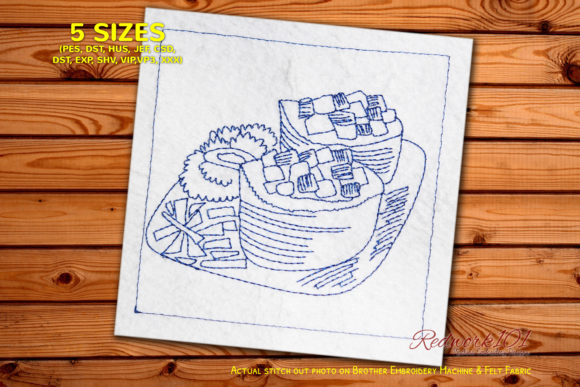
The first thing that strikes me about Bunny Chow Lineart is its clean, modern aesthetic. The lineart style is inherently minimal and bold. It does not rely on dense fill stitches or complex shading to communicate its subject. Instead, it uses crisp outlines to define the bread, the curry, and the overall silhouette of a classic bunny chow. This gives the design a fresh, almost contemporary illustration feel. It is not rustic farmhouse, and it is not overly elegant. It is playful, food-forward, and instantly recognizable to anyone who loves South African cuisine or quirky food art.
At a craft fair, this design acts as a magnet for a specific type of customer. I have found that food-themed handmade products sell incredibly well when they have a story. A customer will stop, smile, and say, "Is that a bunny chow?" That moment of recognition is pure gold. It opens a conversation and makes the sale feel personal. The embroidery file itself is clean enough to read from a distance, which is critical when you are competing for attention across a busy market aisle.
Best Product Applications for Your Craft Fair Booth
Not every machine embroidery design works well on every surface. Bunny Chow Lineart has a specific range of products where it absolutely shines. Here is how I would deploy it across a weekend booth display.
Tote Bags and Market Bags
This is the home run product for this design. A cotton or canvas tote bag provides the perfect flat, stable surface for lineart embroidery. The design reads clearly, and the optional box stitch can be used to frame it like a sticker or a label. I would produce a run of ten tote bags in natural or cream canvas with a dark thread, and another run in black or navy canvas with a bright white or yellow thread. The contrast is stunning. For craft fair product strategy, the tote bag is your entry-level price point. It is easy to carry, easy to gift, and easy to produce in batches.
Apron Embroidery
An apron embroidered with Bunny Chow Lineart is a natural pairing. It is functional, food-themed, and makes a great gift for the home cook or braai enthusiast. The lineart style works well on apron fabric, which is often a mid-weight cotton or poly-cotton blend. I recommend positioning the design on the center chest panel or the lower pocket. It creates a focal point that feels intentional and premium.
Tea Towel Embroidery
Tea towels are a staple of the handmade product market. They are inexpensive to source, quick to stitch, and always sell well in sets. For tea towel embroidery, I would scale the Bunny Chow Lineart down slightly and stitch it along the bottom hem. Because it is lineart, it does not overwhelm the fabric texture of the towel. It adds a subtle, sophisticated touch that still has that playful food theme. Just be careful with thick, looped terry towels, as the stitches can sink into the fabric.
Embroidered Patch
The low stitch density of lineart makes it an excellent candidate for embroidered patch production. Patches are a fantastic add-on item for your booth. They are low cost, high margin, and easy to display on a card or a spinner rack. Customers love to sew or iron them onto jackets, backpacks, and denim. The clean lines of this design ensure that even at a small patch size, the bunny chow remains recognizable.
Caps and Fabric Pouches
These products require more careful scaling. A curved cap surface can distort a design if the digitizing is not optimized for a three-dimensional shape. I recommend testing the embroidery file on a cap before committing to a large batch. Fabric pouches, on the other hand, are a great opportunity. A small zippered pouch with this design creates a unique gift item. It is also a great way to use up leftover fabric from your tote bag production.
Pillow Covers and Home Decor
For a higher-end booth item, consider a linen or cotton pillow cover. The lineart style lends itself well to modern home decor. It is not overly busy, so it fits into a contemporary kitchen or dining room aesthetic. The optional box stitch can give it a finished, graphic-print look that elevates the finished product.
Production Efficiency: Why Lineart Saves You Time and Money
As a small shop owner, your time is your most valuable asset. Bunny Chow Lineart is a production-friendly design. Here is why.
- Low Stitch Density: Lineart designs inherently use fewer stitches than filled or textured designs. This means faster sewing times, less bobbin thread, and less wear on your machine. You can produce more units in a single production run.
- Minimal Thread Changes: The design typically uses one to three thread colors. This reduces setup time. If you choose to skip the optional outer box, you can stitch the entire design in a single color, which is incredibly efficient for batch production.
- Easy to Photograph: For your Etsy seller listings, this design is a dream. Clean lineart photographs beautifully even in less-than-perfect lighting. It does not require macro photography to show off intricate fill patterns. A simple flat lay of the tote bag will convert customers. I always recommend creating a printable mockup for your online shop, but a real photo of the finished product is even better.
Understanding the Optional Box Stitch
The product description notes that the outer box stitch is optional and that the color of the outer box is typically different unless it is part of the design itself. This is an important detail for production planning. The box adds a structured, label-like frame to the Bunny Chow Lineart. It gives the design a finished, graphic quality that can feel more premium. However, from a production standpoint, adding that box means an extra thread change and an extra color stop. If you are producing 50 tote bags for a weekend market, skipping the box saves significant time. If you are creating a small batch of high-end pillow covers, including the box adds that extra layer of polish. My advice is to test both versions and decide based on your target price point and production speed.
Critical Production Considerations
I never recommend skipping the testing phase. Every digital embroidery file behaves differently depending on your fabric, stabilizer, and machine. Here are the specific points I check when working with Bunny Chow Lineart.
Stitch Density and Line Thickness
The success of a lineart design depends entirely on the stroke width. If the lines are too thin, they will sink into textured fabrics like towels or fleece, becoming invisible. If they are too thick, the design loses its elegant lineart charm. I always test on the exact fabric I plan to use. For smooth cotton or canvas, a standard 40wt thread works perfectly. For thicker fabrics, you may need to adjust the pull compensation or use a heavier thread.
Fabric Texture and Stabilizer
Fabric texture is everything. For smooth fabrics like quilting cotton, linen, or canvas, a medium-weight tear-away stabilizer is usually sufficient. For textured fabrics like tea towels, terry cloth, or knits, you must use a cut-away stabilizer. The cut-away prevents the design from distorting over time, especially after washing. I have seen too many beautiful apron embroidery projects ruined by poor stabilizer choice. Do not skip this step.
Hoop Size and Scaling
Pay attention to the hoop size recommended for the original file. If you scale the design down significantly for a patch or a cap, the details may become too small for your machine to stitch accurately. Tiny lineart can look like a blob if the digitizing is not clean. I recommend testing at your target size before cutting into your final product fabric.
Dark Fabric and Thread Contrast
This design can look stunning on dark fabric, but only if you choose the right thread color. A bright white, neon yellow, or vibrant orange thread will pop beautifully against a black or navy tote bag. A dark gray or brown thread on a dark fabric will disappear. Hold your thread cone up against the fabric and step back three feet. If you cannot read the design clearly, choose a different thread color.
Real-World Embroidery Designer Checklist
Before you load up your machine and start producing for your next craft fair product run, I recommend following this checklist. It will save you time, money, and frustration.
- Test on scrap fabric. Always stitch a test sample on the exact fabric you intend to use. Do not trust a test on muslin if your final product is a thick tea towel.
- Check thread contrast. View the stitched test from a distance. Does it read clearly? Would a customer walking past your booth see it?
- Review the spacing. Ensure there is enough negative space around the design. A crowded design looks messy, especially on a tote bag or apron.
- Confirm your hoop size. Make sure the design fits comfortably within your available hoops. Do not push the design to the edges of the hoop.
- Inspect stitch density. Run the design through your machine's simulation. Look for any areas where the lineart might be too close together, causing thread breaks.
- Use the right stabilizer. Match your stabilizer to your fabric. Cut-away for stretch, tear-away for stable fabrics.
- Create at least one real mockup. Take a professional photo of the finished product. Use it in your Etsy seller listings and on your social media.
- Compare fabric colors. If you are producing multiple colors, test each one. The design may look different on cream canvas versus natural linen.
- Confirm commercial licensing. Before you sell any finished product, ensure your digital embroidery file purchase includes commercial rights. This is a non-negotiable step for any serious small shop product business.
Visual Appeal, Brand Consistency, and Customer Engagement
Does Bunny Chow Lineart have the visual appeal to stop a customer at a craft fair? Yes, absolutely. It is unique. In a booth filled with monograms, floral wreaths, and generic script fonts, a food lineart design is a breath of fresh air. It signals that your brand has personality and a sense of humor. It appeals to a specific demographic: food lovers, travelers, and people who appreciate cultural cuisine. If your brand identity is built around modern, minimalist, or food-focused design assets, this is a five-star addition.
For handmade market sellers, engagement is key. A design that makes someone smile or ask a question is a design that sells. I have found that food-themed embroidery creates an emotional connection. It reminds people of a meal, a memory, or a favorite restaurant. That emotional pull is what turns a browser into a buyer. The Bunny Chow Lineart design, with its clean lines and recognizable subject, is perfectly positioned to create that connection.
Final Verdict for the Craft Fair Seller
Bunny Chow Lineart is a strategic addition to any embroidery business catering to the handmade and craft fair market. It is efficient to produce, visually striking, and occupies a strong niche. It is not a generic mass-market design, but for the boutique maker who understands their customer and wants to offer something different, it is a true asset. The low stitch count and minimal thread colors make it ideal for batch production, while the clean lineart style ensures it photographs well for online sales.
Pay attention to your fabric choices, test your stabilizer, and decide whether the optional box stitch fits your production speed and aesthetic goals. Done right, this little bunny chow will not just sit on your booth table. It will walk out the door, tucked into a customer's tote bag, and probably come back with an order for a matching apron. That is the kind of commercial embroidery performance that builds a loyal customer base and a thriving weekend business.