Lemon with the Lemon Slice: Citrus Charm for Embroidery Projects
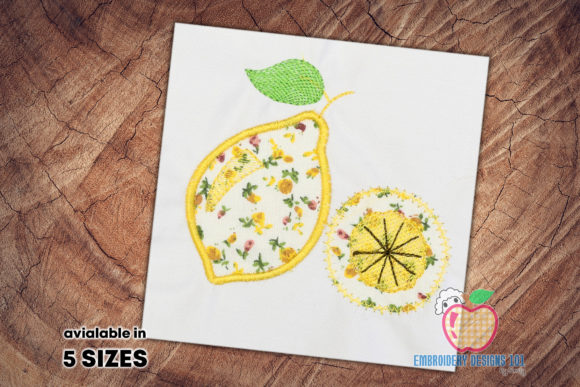
When I first opened Lemon with the Lemon Slice, I was struck by how clean and confident the composition felt. This is not a fussy design. It presents a whole lemon beside a sliced cross-section, and that simplicity is precisely what makes it work so well for real embroidery projects. As someone who has tested hundreds of machine embroidery designs for both personal client work and my own small shop merchandise, I have learned to spot the difference between a design that looks good on screen and one that stitches out beautifully. This one belongs to the latter category.
The theme is straightforward, but the visual personality is unexpectedly warm. Lemons carry a sense of freshness, brightness, and a slightly retro kitchen charm. The whole lemon paired with the slice creates a natural dialogue between the outer fruit and its inner detail. It feels like a design that belongs on a handmade apron, a tea towel, a tote bag, or a personalized gift for someone who loves to cook or entertain. It also works well as a boutique item for craft fairs or Etsy listings, especially if you are building a food-themed collection.
First Impressions: What This Design Brings to the Hoop
The layout is balanced without being stiff. The whole lemon stands upright, and the slice rests beside it, creating a horizontal or slightly angled composition depending on how you place it in your hoop. The applique approach means the main shapes are built with fabric layers, which gives the finished piece a handcrafted texture that fill stitching alone cannot replicate. The steps are separated by color, which is a practical detail that saves time during the digitizing and stitching process.
From a professional standpoint, the design reads as a mid-detail piece. It is not overly dense, but it has enough shape definition to hold its own on a garment or accessory. The satin stitch edges around the lemon and the slice give it a crisp outline, and the inner segments of the slice use fill stitch and running stitch to suggest the citrus wedges. The overall effect is clean enough for a beginner to manage and refined enough for an experienced embroiderer to sell as a finished product.
A Real Project Test: Custom Tote Bags for a Farmers' Market Booth
I decided to test Lemon with the Lemon Slice on a run of canvas tote bags for a local farmers' market vendor. She wanted something that felt handmade but not rustic in a sloppy way, and she needed the design to hold up after repeated use and washing. The tote bag format is a common choice for small shop products, and it is also a favorite among Etsy sellers who offer personalized gifts or boutique merchandise.
I hooped a medium-weight canvas tote with a tear-away stabilizer and used a bright yellow fabric for the lemon body and a pale yellow for the slice. The contrast between the two yellows was subtle, but it worked because the satin stitch outlines defined the shapes clearly. The whole lemon used a medium-density fill stitch, and the slice segments used a lighter fill with a running stitch to separate the wedges. The design stitched out without any thread breaks or shifting, and the final result looked crisp and professional.
The vendor loved it. She said the tote bags sold quickly, and customers commented on the cheerful, clean look. One customer even said it reminded her of a vintage kitchen print. That kind of reaction is exactly what you want from a handmade product. It tells you the design has emotional resonance, not just visual appeal.
Where Lemon with the Lemon Slice Shines Brightest
This design is naturally suited to a range of products, and I have found it performs best on items where the citrus theme feels intentional. Here are some of the applications I have tested or recommended to clients:
- Custom apparel: Sweatshirts and t-shirts in light or medium colors work well. The lemon shape reads clearly on a cream, pale blue, or soft gray background. Dark fabric can work if you choose high-contrast thread colors or use a light fabric layer underneath the applique.
- Home goods: Tea towels, apron fronts, and pillow covers are natural homes for this design. The food theme feels right at home in the kitchen, and the applique texture adds a handmade quality that printed fabrics cannot match.
- Personalized gifts: Baby embroidery is not the first place I would put a lemon design, but for a kitchen-themed gift set or a hostess gift, it works beautifully. A set of lemon-embroidered tea towels tied with a ribbon makes a thoughtful and usable present.
- Patches: The clean outlines make this design a good candidate for embroidered patches. Stitch it on felt or twill, cut close to the edge, and add a merrow border. Patches are popular among craft business owners who sell at markets or through Etsy.
- Holiday and seasonal merchandise: Lemons are not just for summer. They work for spring, citrus-themed holidays, and even as a cheerful accent in winter. I have seen lemon designs used in wedding gifts for couples who love to cook, and in boutique branding for farm-to-table businesses.
Where to Approach with Caution
No design is perfect for every surface, and Lemon with the Lemon Slice has a few limitations worth noting before you commit to a full production run. The applique layers add thickness, so you need to be careful with certain fabrics and hoop sizes.
- Small hoop sizes: If you are working with a 4x4 hoop, you may need to scale the design down, which can affect the clarity of the slice segments. The inner wedges are already a moderate detail level, and shrinking them too much could cause the fill stitches to blur together. Test at your intended size before stitching on the final product.
- Thin or stretchy fabric: Applique designs require a stable base. Thin fabrics like lightweight cotton voile or stretchy knits can shift during stitching, causing the fabric layers to misalign. Use a cut-away stabilizer and a high-quality temporary adhesive spray to keep everything in place.
- Curved surfaces like caps: The lemon shape is broad and rounded, which makes it challenging to place on a curved cap front without distorting. If you are embroidering caps, consider a smaller version or place the design on a flat side panel instead of the center front.
- Dark fabric backgrounds: The applique fabric itself can be chosen in a light color, but the satin stitch outlines need to contrast with the background. On a black or navy garment, use a bright yellow thread and a white or pale yellow fabric layer to ensure the design pops.
- Frequent washing: Applique designs have fabric edges that can fray over time if not properly stitched. The satin stitch coverage on this design is good, but I recommend using a dense satin stitch or a tiny zigzag to seal the edges, especially for items that will be washed often, like kitchen towels or baby bibs.
Visual Appeal and Customer Perception
From a buyer's perspective, a lemon design reads as cheerful, fresh, and nostalgic. It is not a trendy motif that will look dated in a year. It has staying power. When I show Lemon with the Lemon Slice to clients, they often respond with a smile. That immediate positive reaction is a signal that the design has strong giftability and shelf appeal.
For small shop owners and Etsy sellers, this design can be a consistent seller across multiple product categories. The food theme fits well within kitchen and home decor, but it also works for personalized gifts, boutique apparel, and even wedding favors if the couple has a citrus theme. The applique technique adds a handmade, artisanal feel that customers associate with quality and care. That perception translates directly into higher perceived value and a willingness to pay a premium price.
On the digital side, this design works well in printable mockups for your shop listings. A lemon tote bag photographed on a wooden table with a sprig of mint looks professional and inviting. The design assets you create from this embroidery file can be used across social media, product listings, and marketing materials, giving your brand a cohesive, seasonal look.
Practical Notes for the Embroidery Designer
Before you stitch Lemon with the Lemon Slice on a final product, I recommend taking the time to test it thoroughly. Here are the steps I follow with every new machine embroidery design, and this one is no exception:
- Test on scrap fabric first: Use the same fabric type and stabilizer you plan to use for the final product. This lets you catch any tension issues, thread breaks, or alignment problems before you commit to a customer order.
- Check thread color contrast: The lemon body and the slice should be visually distinct. If you use two shades of yellow that are too close, the design can look flat. A bright lemon yellow for the whole fruit and a pale butter yellow for the slice creates good separation.
- Review stitch density: Applique designs typically have lower stitch counts than full-fill designs, but the inner details of the slice still need enough density to hold their shape. If the design feels loose after the first test, add a layer of stabilizer or increase the stitch density in your software.
- Confirm hoop size: Make sure the design fits your hoop with room to spare for the fabric layers. Applique designs often require more clearance than standard embroidery because you need to place the fabric pieces without the hoop pressing them down.
- Test in black and white: Before you stitch, view the design in black and white to check the contrast between the applique shapes and the background. This helps you see whether the design will read clearly on different fabric colors.
- Compare light and dark fabric backgrounds: Stitch the design on a light fabric and a dark fabric to see how the color balance shifts. You may need to adjust thread colors or fabric choices depending on the background.
- Use proper stabilizer: For applique on woven fabrics, a tear-away stabilizer is usually sufficient. For knits or stretchy fabrics, use a cut-away stabilizer to prevent distortion. For items like caps or thick canvas, a heavy-duty stabilizer is recommended.
- Check licensing before selling: If you plan to use this design for commercial embroidery, handmade products, or digital embroidery file sales, confirm the license terms. Some designs allow unlimited commercial use, while others require a separate license for mass production. Always verify before you list finished items or digital products.
One more thought: the design works well as a standalone motif, but it also pairs nicely with other food-themed embroidery files. If you are building a collection for a craft business or a boutique product line, consider adding a matching herb or fruit design to create a cohesive set. Customers often buy in multiples when they see a coordinated theme.
Overall, Lemon with the Lemon Slice is a solid, reliable machine embroidery design that delivers on its promise. It is straightforward enough for a hobbyist and polished enough for a commercial embroidery project. The applique technique adds texture and depth, and the citrus theme has broad appeal across apparel, home goods, and personalized gifts. With proper testing and fabric choices, this design can become a staple in your embroidery rotation, whether you are stitching for yourself, your clients, or your small shop inventory.